Guida Turistica: Regione Lombardia
Tutto su Lombardia: guida turistica, itinerari, monumenti, hotel e tradizioni.
The roots of Lombardy date back to prehistory, with testimonies such as the UNESCO-listed palafitticoli sites on Lake Varese. The Romans left an indelible mark with cities like Milan (then Mediolanum), capital of the Western Roman Empire in the 4th century. In the Middle Ages, the Duchy of Milan, under the Visconti and Sforza dynasties, became one of the most powerful centers in Europe, giving rise to artistic and architectural masterpieces that still define the region's face today.
Geography and Landscapes: From the Alps to the Po Valley
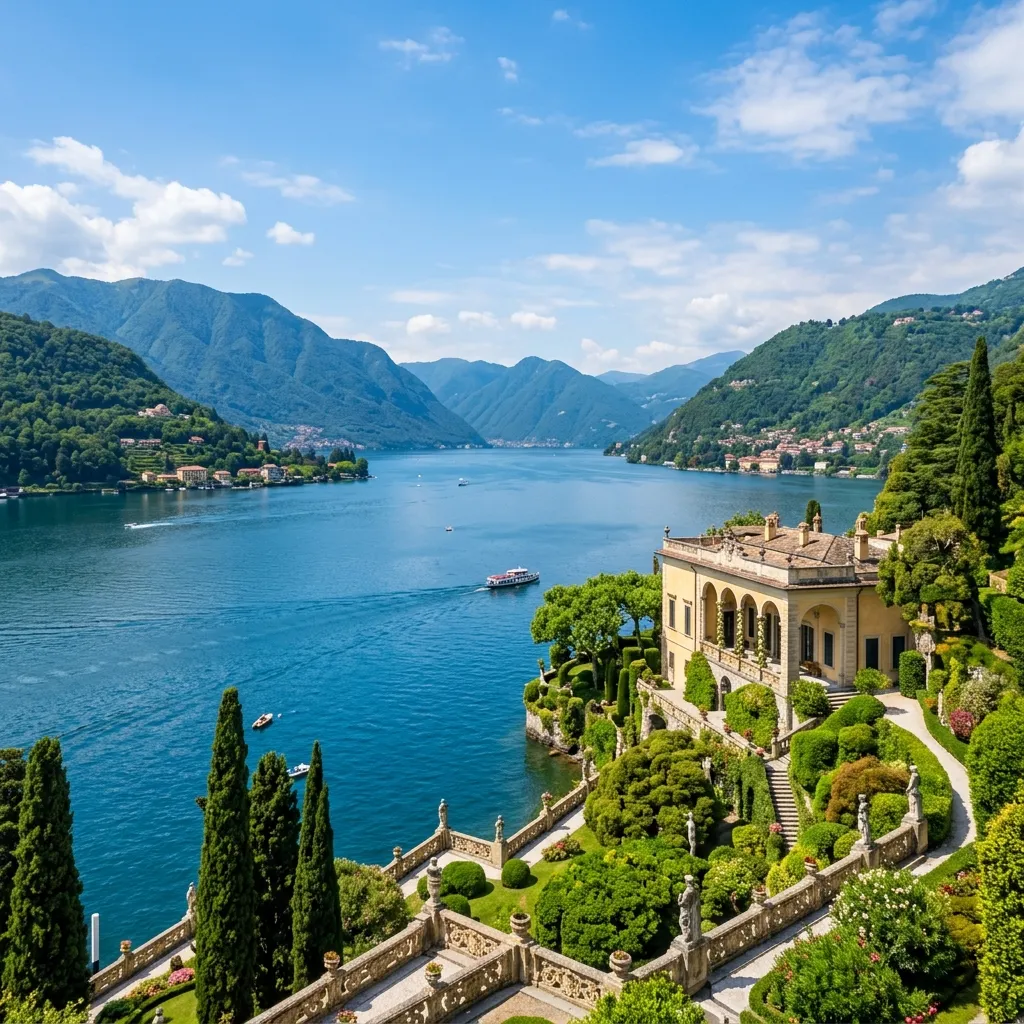
Lombardy is a microcosm of landscapes. To the north, the Rhaetian and Orobian Alps dominate with peaks like Pizzo Coca (3,050 m) and Bernina (4,049 m, shared with Switzerland), offering refuges for hikers and ski paradises like Livigno and Bormio. In the center, the Prealps open up to one of the world's most famous lake districts: the Lakes of Como, Garda, and Maggiore, mirror-like waters framed by historic villas and picturesque villages.
The Po Valley, the region's agricultural heart, is traversed by rivers like the Po, Adda, and Oglio, which nourish a fertile land where rice (Lomellina is Italy's capital of risotto), maize, and fodder for livestock are cultivated. Here, cities alternate with natural parks like the Ticino Park, a green lung between Milan and Pavia.
What to See: Monuments, Churches, and Verified Nature
Lombardy boasts an extraordinary cultural and natural heritage, rigorously authentic:
- Milan: The Duomo, a Gothic masterpiece with 3,400 statues and the golden Madonnina; the Galleria Vittorio Emanuele II, the city's elegant salon; the Castello Sforzesco, a medieval fortress housing museums and Michelangelo's Pietà Rondanini; the Cenacolo Vinciano, where Leonardo da Vinci's The Last Supper is preserved.
- Bergamo: The Città Alta, surrounded by Venetian walls, with Piazza Vecchia, the Basilica of Santa Maria Maggiore, and the Campanone; the funicular connecting the lower city, with its modern and lively center.
- Brescia: The Capitolium, a 1st-century Roman temple; the Monastero di Santa Giulia, a museum encompassing 3,000 years of history; the Piazza della Loggia, a Renaissance gem.
- Como: The Duomo, with its Gothic-Renaissance façade; the Tempio Voltiano, dedicated to Alessandro Volta; villas on the lake like Villa del Balbianello (film set for Star Wars).
- Cremona: The Cattedrale, with the Torrazzo, the city's symbol and one of Europe's highest medieval bell towers; the Museo del Violino, celebrating Cremona's luthiery tradition.
- Nature: The Stelvio National Park, with its glaciers and trails; the Boario and Sirmione thermal baths, for a wellness experience; the Torbiere del Sebino Nature Reserve, habitat of rare species.
Nearby: Excursions Within Reach
Lombardy's central location makes it ideal for exploring nearby destinations:
- Switzerland: Lugano (30 km from Como), with its lakefront and Monte San Salvatore; the San Bernardino Pass, gateway to the Grigioni.
- Piedmont: The Lago d'Orta (1 hour from Milan), a hidden gem with the island of San Giulio; the Langhe, land of wines and truffles.
- Veneto: Verona (1h30 from Brescia), with the Arena and Juliet's house; the Lake Garda, shared with Lombardy, with Sirmione and Malcesine.
- Emilia-Romagna: Piacenza (40 km from Lodi), with its medieval historic center; the Terre di Matilde di Canossa, between castles and hills.
- Trentino-Alto Adige: The Adamello-Brenta Nature Park, for excursions among dolomitic peaks and alpine lakes.
Where to Stay: Luxury, Charm, and Authenticity
Lombardy offers accommodations for every need, all rigorously selected for quality and authenticity:
- Milan: Design hotels like the Mandarin Oriental or Armani Hotel, but also boutique hotels in historic buildings like the Room Mate Giulia.
- Lakes: Historic villas like the Grand Hotel Tremezzo on Lake Como or Villa d'Este, a symbol of elegance; agriturisms immersed in olive groves on Lake Garda.
- Mountain: Alpine refuges like the Rifugio Laghi Gemelli in Val Brembana or thermal hotels like the Bagni Vecchi in Bormio.
- Art Cities: Historic homes like the Hotel Relais San Lorenzo in Bergamo or the Palazzo Trecchi in Cremona.
To fully experience Lombardy, rely on our tourist network: you'll find expert guides, restaurants serving traditional dishes like risotto alla milanese, cassoeula, or pizzoccheri valtellinesi, and tailor-made itineraries to discover hidden corners, from the Bergamasque Valleys to the Cascine della Lomellina. A trip to Lombardy is an experience that combines the emotion of art, the charm of history, and the timeless beauty of nature.
What to See in Lombardia


Where to Stay in Lombardia

Where to Eat in Lombardia


❓ Domande Frequenti e Consigli Utili
Dove dormire in Lombardia? Hotel, B&B e Agriturismi consigliati
Migliori Agriturismi in Lombardia: dove trovarli con piscina e cucina tipica?
Cosa mangiare assolutamente in Lombardia? I piatti tipici imperdibili
Cosa vedere in Lombardia? Le attrazioni e i luoghi da non perdere
Quali sono le principali aziende e produzioni d'eccellenza in Lombardia?
Quali sono i principali eventi, festival e sagre in Lombardia?
Quali sono i confini geografici e la posizione della Lombardia?
Download the Free Complete Guide to Lombardia
Includes city center maps, attraction opening hours and ticket prices, recommended itineraries, and direct contacts of top accommodations and restaurants.
Do you manage an accommodation or a blog in Lombardia?
Offri un servizio utile ai tuoi ospiti: inserisci sul tuo sito web il link alla Guida di Lombardia per arricchire la tua offerta turistica.
Lombardia
Access the complete overview to browse all available accommodations, restaurants, interactive map, and photos of the area:
Map del Territorio
Esplora liberamente i confini, le peculiarità e i punti di interesse.Our Network Portals
Explore this area through the dedicated portals of our tourism network: